
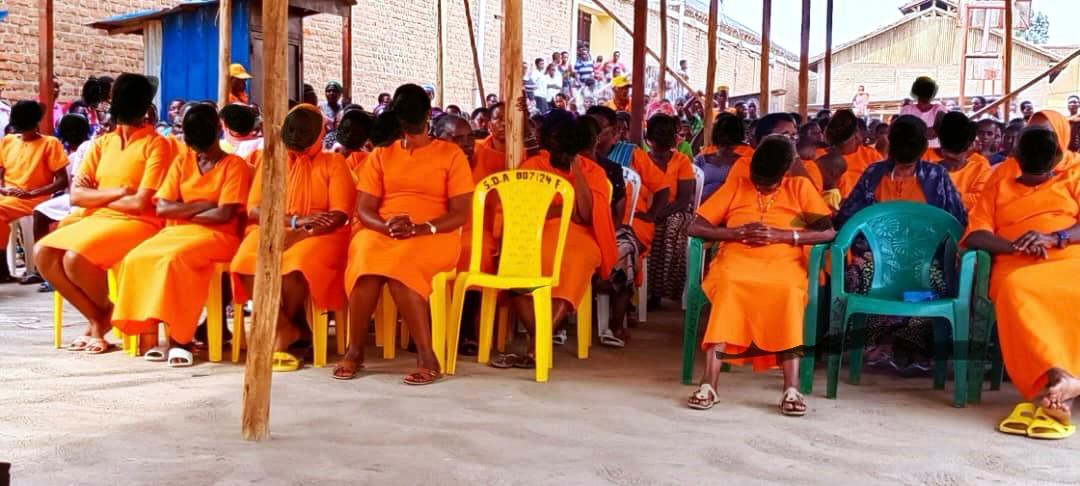
In Rwanda, women who are detained and those who were formerly imprisoned are requesting an increased supply of menstrual hygiene products, particularly pads. They report that the items provided are often insufficient, and at times they run out completely, forcing them to use pieces of cloth cut from old clothing.”
The Struggles of Women in Prison to get Menstrual Pads
In this in-depth story, we attempted to speak with several women who are currently imprisoned and others who were formerly incarcerated in different prisons across the country. However, finding women willing to give interviews proved difficult. Some declined out of fear, worrying that speaking about these issues could lead to being punished again. Those who agreed to talk requested anonymity, asked that we not use their real names or photos, and requested that their voices be altered for their safety.
One woman, whom we refer to as Uwingeneye Rachel, was once imprisoned and released. She explained that the single pack of pads provided to each woman in prison is far from sufficient, since menstrual needs vary from person to person.
She said: “In prison, they give you one pack of pads, and you can easily run out. Women are different; some have short periods and use fewer pads, while others have longer periods and need more. When the pads run out, you cannot get another pack. At that point, you are forced to cut a piece of cloth from your own clothing and use it, washing and reusing it repeatedly until the next month when they distribute another pack.”
Another woman, whom we named Mukashyaka, currently imprisoned in Mageragere Prison in Kigali, shared a similar experience:
“They give you one pack of pads meant to last the whole month. When it’s finished, you struggle. If you have a little money, you try to manage quietly, but many end up using pieces of clothes. We are never fully sure if those cloth pieces are clean enough. Pads are essential for a woman during her period and should not be lacking. Using cloth is not safe, and besides that, even getting basic underwear here is also a challenge.”
In a conversation with Kamaliza Annick (name changed), a woman around 40 years old who was recently released from prison, she said she comes from Rusenge Sector in Nyaruguru, but currently lives in Huye town, where she is rebuilding her life. She explained that she was imprisoned in a place called Mbazi in Huye and noticed that some women in prison could not get enough menstrual pads (Cotex) during their periods.
She said: “I was imprisoned in a place called Mbazi. Pads were provided, but not enough; you could get additional ones only if you knew how to deal for them; otherwise, you might not get any. In that case, you would have to use a piece of your own clothing as a substitute. I remember there was a woman who came to distribute them. There were more than one of us in the prison cell, and she brought only one pack of pads, saying: ‘Share them among yourselves.’ When you are in prison, you quickly learn to be clever—you take out about three pieces for yourself, wear them, and hide the rest. If someone hasn’t used the pads, they might use their own cloth, but that can disturb others because it causes a bad smell.”
Although both former prisoners and those currently incarcerated say they are not provided with sufficient menstrual hygiene products, the spokesperson for the Rwanda Correctional Service (RCS), CSP Hillary Sengabo, states that as an institution overseeing inmates, RCS is doing everything possible to ensure proper hygiene in the private areas of imprisoned women, so that women and girls in prison are provided with adequate hygiene products.
He says: “Women in correctional facilities are treated in a special way and are provided with sufficient hygiene products according to their needs, including soap and enough water to help them wash, wipe, and maintain cleanliness. Even during menstruation, they are provided with dedicated hygiene products (Pads) supplied by the correctional facilities. If someone experiences an infection or a menstruation-related illness, they can receive medication to relieve the condition, as there is a clinic dedicated to supporting them.”

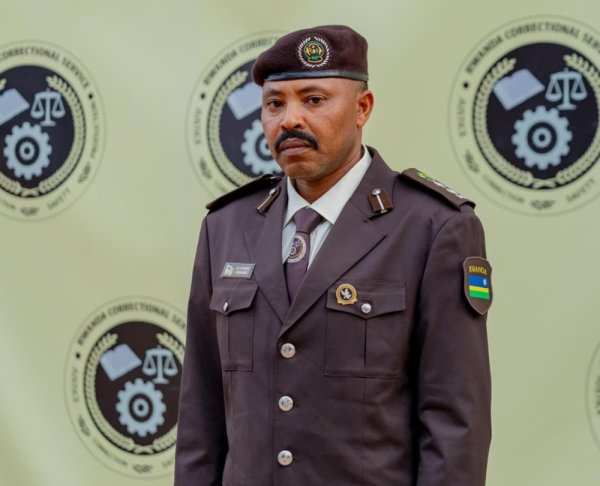
He continues: “The assurance we give Rwandans is that anyone who is imprisoned is properly cared for by the prison. We also encourage people with relatives in prison to visit and talk to them. Sometimes, when inmates say they are not given enough hygiene materials, it may also reflect the despair of being in prison, which is never an easy place to be. Support from both family members and the prison is important.”
Problems Girls and Women Face When They Do Not Use Proper Hygiene Products During Menstruation
Menstrual hygiene is essential for the health of girls and women. According to UNICEF’s 2021 guidance on menstrual hygiene, not using proper products like pads can put the reproductive and sexual organs at risk and negatively affect a girl’s or woman’s daily life.
- Infections
During menstruation, using insufficient or inappropriate materials, such as old clothes or unhygienic cloth pieces, can cause bacterial infections. WHO explains that not changing menstrual products regularly and using non-breathable materials affects the body’s natural defenses, increasing the risk of infections in the reproductive organs. - Bad Odor in the Genital Area
UNFPA’s 2019 research on women’s and girls’ hygiene notes that failing to change menstrual products frequently can lead to accumulated blood producing a bad odor, causing embarrassment and reduced self-confidence.
- Skin Irritation
Using clothing or other non-dedicated hygiene products during menstruation can result in discomfort, skin damage, and other health issues. WHO guidance on reproductive health states that products that block air circulation can irritate the skin.
- Poor Genital Hygiene
UNESCO research conducted in 2018 on menstrual hygiene found that insufficient use of pads (Cotex) during menstruation can lead to shame and even depression in some girls and women.
What Organizations Advocating for Women’s Rights Do to Protect the Hygiene of Imprisoned Women
The Women and Gender Constituency organization, initiated activities to visit imprisoned women aimed at improving the life of imprisoned women, through the Esperanza Humura initiative. In 2021, a program was launched to help imprisoned women in Rwanda using a holistic approach. This program includes:
- Sensitizing them to know their rights and providing legal assistance,
- Building their capacity to help them self-educate and become self-reliant economically when they are released,
- Promoting good nutrition and their hygiene and that of their young children imprisoned with them,
This program started as a pilot in Nyamagabe prison, but it has been extended to 12 other prisons in the country, where it was expected to help over 6,450 women.
Marie Grace Kayirangwa, Director at Esperanza Humura, a program that helps imprisoned women in Rwanda, says: “An imprisoned woman does not lose her rights. She must be provided with hygiene, healthcare, and adequate shelter, especially those who are menstruating or have children. Their rights must be respected as stipulated by national laws and regulations.”
Health Development Initiative (HDI) is an organization that does many different things including helping women, children, and youth access rights regarding the health problems they face, and also conducts research on health and the rights of women and children, among others. In their annual report for 2022, they state that they strive to provide comprehensive SRHR information and services to women, including vulnerable populations such as prisoners.
Imprisoned women have the right to access hygiene products and clean water to better manage their health and their sexuality while incarcerated.
What Do Legal Experts Say About the Rights of an Imprisoned Woman?
Alice Muhirwa, Lawyer at Rwanda Legal Aid Forum (LAF)
She says: “An imprisoned woman needs special assistance, both legal and in her daily life. Providing her with hygiene products, legal aid in court, and helping her know her rights is a duty established by law, not a mercy.”
This is based on LAF’s mission in their programs to help inmates access legal aid and gender-based rights.
What Does the Law Say About Prisoners’ Rights in Rwanda?
In Rwanda, the rights of prisoners and detainees are largely enshrined in Law No. 38/2006 of 25/09/2006 which establishes and determines the organization of the National Service for Correctional Services (RCS). Their rights are also enshrined in other instruments, such as the Constitution of the Republic of Rwanda and international conventions to which Rwanda is a signatory.
Key Laws Governing Prisoners’ Rights
- Law No. 38/2006: This law gives the correctional service the responsibility to care for the inmate in a manner respectful of human dignity, focusing on rehabilitation and behavior change.
- Article 23: The law stipulates that a prisoner must be treated humanely, with dignity and respect for human worth. It prohibits all acts of torture and other cruel, inhuman, or degrading treatment or punishment.
- Article 24: The law stipulates that prisoners are to be placed in different categories based on sex, age, illness, or sentences passed by the court.
What Does the National Human Rights Commission Do for an Imprisoned Woman?
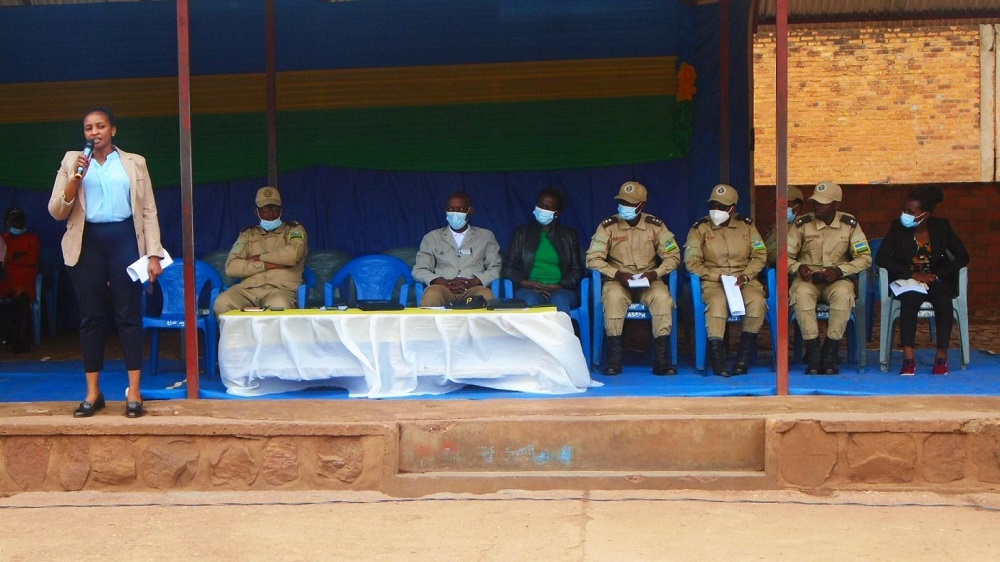
On October 20, 2023, a team from the Human Rights Commission visited Rwamagana Prison and spoke with the inmates about human rights, focusing particularly on the rights of the imprisoned person.
Ingabire Marie Sylivie, one of the Commissioners in that commission, spoke to them about human rights, first reminding them of their rights like all other Rwandans, telling them they have the right to food, hygiene, clothing, healthcare, visits, freedom of belief, and even the right to justice, but reminding them that they also must respect the laws governing them, especially by avoiding prohibited acts. She continued by telling them that if anyone violates their rights, they are allowed to report it so that the violator can be held accountable, and that they themselves must also respect each other.

What UN Agency Guidelines Say About the Life of an Imprisoned Woman
The guidelines of the United Nations Office of the High Commissioner for Human Rights state that Women in prison have specific rights aimed at protecting their unique nature, humanity, and dignity, focusing especially on those with special needs such as those who are pregnant or breastfeeding. These rights are based on international standards such as the United Nations Standard Minimum Rules for the Treatment of Prisoners (the Nelson Mandela Rules).
Some of the points that come up regarding life and hygiene:
- Specialized Care: Women have the right to be cared for by medical experts specialized in women’s health and pregnant women, be it in monitoring their health, treating sexually transmitted infections, and other mental health issues.
- Hygiene: They must be provided with adequate hygiene materials, including those they use during menstruation, and clean water at all times.
In Rwanda, the Rwanda Correctional Service, RCS, says it respects the rights of prisoners and detainees, which helps them in matters of rehabilitation, in accordance with Rwandan laws and international guidelines. The prison leadership also strives to give all inmates, including women, equal opportunities in prison activities. The United Nations and the National Human Rights Commission have conducted monitoring in prisons to see if those rights are respected.
In Rwanda, there are 14 prisons, including two that hold both men and women, such as Nyarugenge and Musanze. There are also two prisons exclusively for women, including Ngoma and Nyamagabe.”
Mukanyandwi Marie Louise