
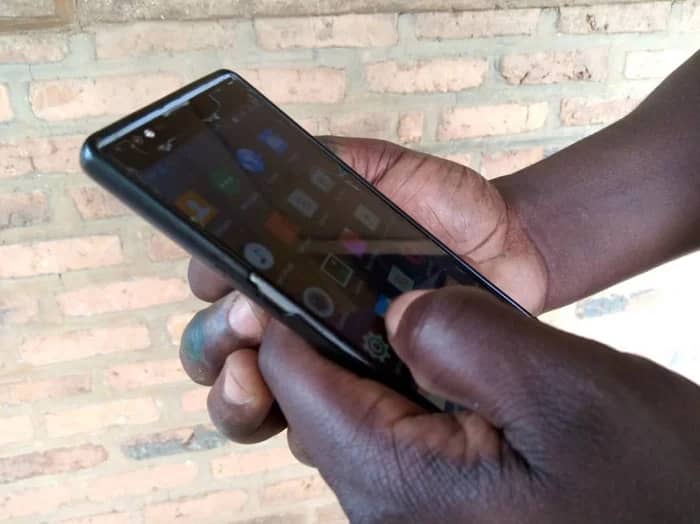
On the green, beautiful edges of Musanze City, one of Rwanda’s fastest-growing cities, people face a quiet but daily problem. In the areas called Muhoza and Nkotsi, residents enjoy lovely rolling hills surrounded by lush vegetation near the famous volcanoes. Yet they also deal with a strange situation: many own smartphones, but most of the time there is no reliable signal for calls or internet.
Amina Nidufashe knows this reality all too well. When her phone rings in the evening, she can’t answer it indoors. Instead, she steps outside, searches for a spot with signal, and sometimes even asks her children to climb a tree for better reception. “It’s as if I don’t own a phone,” she says, frustrated. Her husband works in Kigali, and missed calls mean missed family updates and emotional connections.
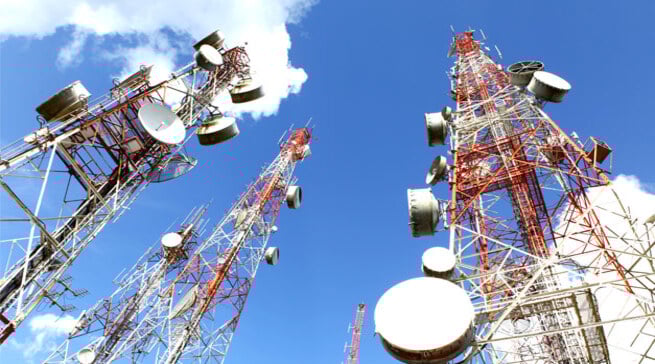
Eric Mutabazi, a father of three, shares the same tiredness. “We’ve gotten used to this challenge,” he says, “but we still hope.” He hopes for a nearby telecom tower that would make smartphones useful tools instead of just expensive gadgets.
For young people like 24-year-old Eliezel Izabayo, a technology student in Nkotsi Sector, the problem is bigger than inconvenience—it blocks opportunities. He can’t join Zoom trainings, use online learning platforms, or check emails from home. He must travel to town, making digital access a tiring trip. In a country building a tech-driven future, Eliezel feels held back.
Musanze District Mayor Claudien Nsengimana recognizes the issue. The local government is pushing telecom companies to build more towers and improve coverage. “We want this solved permanently,” he says. Better connectivity means equality, dignity, and full inclusion in Rwanda’s digital progress.
Rwanda is making strong national advances. As of late 2025, the country has 1,760 connectivity towers covering 96% of inhabited areas, with plans for hundreds more by 2028 and near 100% 4G coverage. MTN Rwanda launched 5G services in June 2025. Internet penetration stands at around 38%, smartphone ownership in households at about 34%, and mobile internet usage at 20%.
Basic mobile phone ownership is much higher, with over 92% of the population having cellular connections. These efforts support Digital Public Infrastructure (DPI) the basic systems like reliable networks that let everyone join the digital world. DPI acts like roads for data or power grids for connection. Rwanda’s plans include the Connect Rwanda initiative, which provides affordable smartphones through donations, flexible payments, and partnerships to boost device access.
Over 2,000 digital ambassadors teach skills across the country. The bigger Vision 2050 aims for a knowledge-based economy with universal digital access, innovation, and good governance through technology. But for Amina, Eric, and Eliezel, these national gains feel distant. Their daily hunt for signal shows that even with strong averages, the “last mile” reaching remote or hilly spots remains a challenge. Rural internet use lags far behind urban areas.
The story in Musanze’s outskirts is more than a small issue; it tests Rwanda’s goal of inclusive growth. Can digital ambitions reach everyone, even those climbing trees for a bar of signal, As the mayor, telecom providers, and government push for more towers and solutions, these residents’ hopes highlight the truth: real Digital Public Infrastructure needs towers and fiber, but also the commitment to connect every hill and home leaving no one behind.
Mukanyandwi Marie Louise