
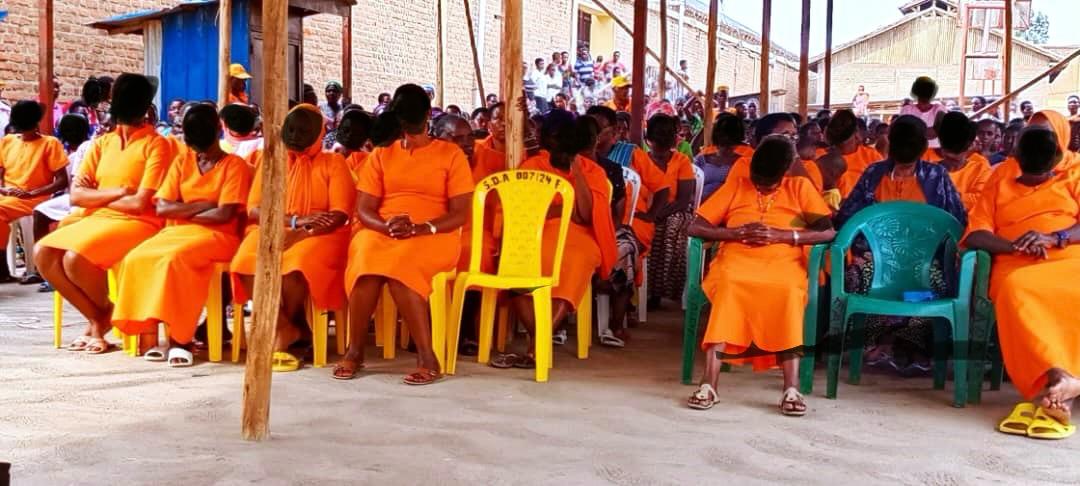
Behind the walls of Rwanda’s prisons, a quiet struggle unfolds every month. For many incarcerated women, managing menstruation is not just a private matter it is a daily battle that affects their health, dignity, and sense of self. While sanitary pads are technically provided, the reality is that the supply often falls short, forcing women to improvise with pieces of their own clothing.
Living with Scarcity and Improvisation
Uwingeneye Rachel, who was formerly imprisoned, described the harsh reality she faced:
“In prison, they give you one pack of pads, and you can easily run out. Women are different; some have short periods and use fewer pads, while others have longer periods and need more. When the pads run out, you cannot get another pack. At that point, you are forced to cut a piece of cloth from your own clothing and use it, washing and reusing it repeatedly until the next month when they distribute another pack.”
For those still behind bars, the challenge continues daily. Mukashyaka, currently held in Mageragere Prison in Kigali, shared:
“They give you one pack of pads meant to last the whole month. When it’s finished, you struggle. If you have a little money, you try to manage quietly, but many end up using pieces of clothes. We are never fully sure if those cloth pieces are clean enough. Pads are essential for a woman during her period and should not be lacking. Using cloth is not safe, and besides that, even getting basic underwear here is also a challenge.”
Kamaliza Annick, recently released from Mbazi Prison, recalled:
“Pads were provided, but not enough; you could get additional ones only if you knew how to deal for them; otherwise, you might not get any. There were more than one of us in the prison cell, and sometimes only one pack of pads was brought and we were told to share. When you are in prison, you quickly learn to be clever… If someone hasn’t used the pads, they might use their own cloth, but that can disturb others because it causes a bad smell.
Health, Rights, and the Duty to Protect Dignity
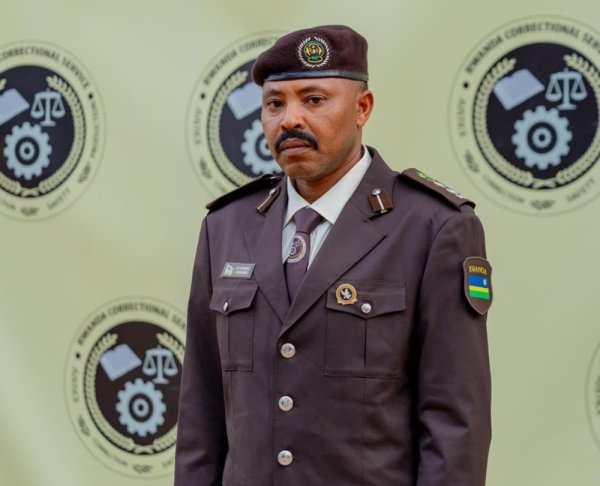
The Rwanda Correctional Service (RCS) maintains that it strives to ensure proper hygiene for incarcerated women. CSP Hillary Sengabo said:
“Women in correctional facilities are treated in a special way and are provided with sufficient hygiene products according to their needs, including soap and enough water to help them wash, wipe, and maintain cleanliness. Even during menstruation, they are provided with dedicated hygiene products (pads). If someone experiences an infection or a menstruation-related illness, they can receive medication to relieve the condition. The assurance we give Rwandans is that anyone who is imprisoned is properly cared for by the prison. We also encourage people with relatives in prison to visit and talk to them.”

The health consequences of inadequate menstrual hygiene are serious. UNICEF’s 2021 guidance shows that using unsafe materials can cause bacterial infections and harm reproductive health. UNFPA’s 2019 research highlights that limited access to pads can lead to embarrassment, reduced self-confidence, and even depression. WHO notes that poor hygiene can cause skin irritation and health complications, while UNESCO emphasizes that insufficient access to pads can affect mental well-being and dignity.
Several organizations are working to fill these gaps. Programs such as Esperanza Humura educate incarcerated women about their rights and prepare them for reintegration into society. Marie Grace Kayirangwa, Director at Esperanza Humura, said:
“An imprisoned woman does not lose her rights. She must be provided with hygiene, healthcare, and adequate shelter, especially those who are menstruating or have children. Their rights must be respected as stipulated by national laws and regulations.”
Health Development Initiative (HDI) is an organization that does many different things including helping women, children, and youth access rights regarding the health problems they face, and also conducts research on health and the rights of women and children, among others. In their annual report for 2022, they state that they strive to provide comprehensive SRHR information and services to women, including vulnerable populations such as prisoners.
Imprisoned women have the right to access hygiene products and clean water to better manage their health and their sexuality while incarcerated.
What Does the Law Say About Prisoners’ Rights in Rwanda?
In Rwanda, the rights of prisoners and detainees are largely enshrined in Law No. 38/2006 of 25/09/2006 which establishes and determines the organization of the National Service for Correctional Services (RCS). Their rights are also enshrined in other instruments, such as the Constitution of the Republic of Rwanda and international conventions to which Rwanda is a signatory.

What Does the National Human Rights Commission Do for an Imprisoned Woman?
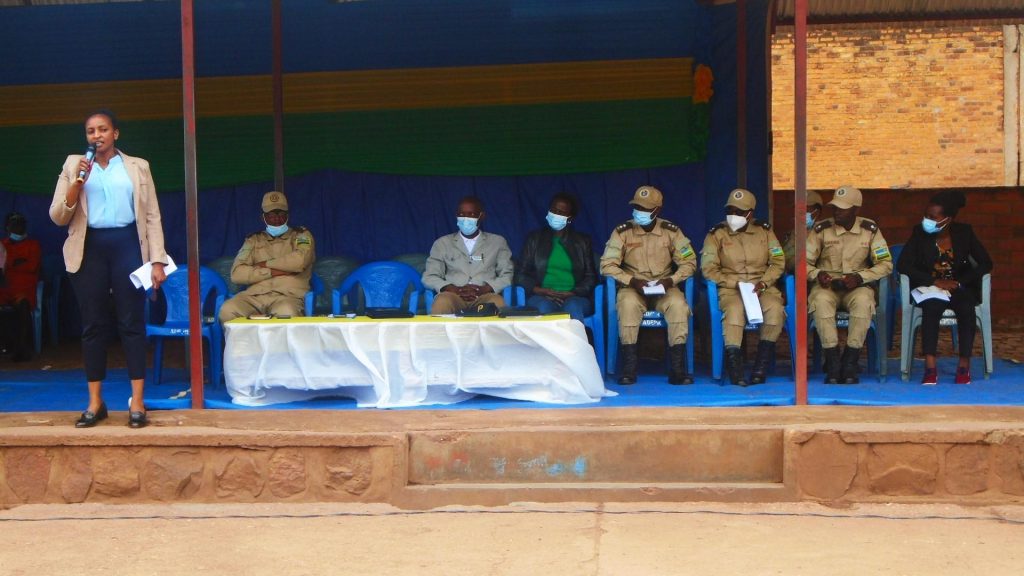
On October 20, 2023, a team from the Human Rights Commission visited Rwamagana Prison and spoke with the inmates about human rights, focusing particularly on the rights of the imprisoned person.
Ingabire Marie Silivie, one of the Commissioners in that commission, spoke to them about human rights, first reminding them of their rights like all other Rwandans, telling them they have the right to food, hygiene, clothing, healthcare, visits, freedom of belief, and even the right to justice, but reminding them that they also must respect the laws governing them, especially by avoiding prohibited acts. She continued by telling them that if anyone violates their rights, they are allowed to report it so that the violator can be held accountable, and that they themselves must also respect each other.
Legal experts emphasize that providing hygiene materials is a legal obligation, not a favor. Alice Muhirwa, a lawyer at Rwanda Legal Aid Forum, stated:
“An imprisoned woman needs special assistance, both legal and in her daily life. Providing her with hygiene products, legal aid in court, and helping her know her rights is a duty established by law, not a mercy.”
Across Rwanda’s 14 prisons , including two designated exclusively for women the laws and standards are clear: dignity must not be imprisoned. Yet dignity cannot be guaranteed by policy alone; it requires monitoring, resources, and the willingness to listen to women’s experiences. Menstrual hygiene is not a luxury it is a right and a key component of public health. According to WHO and UNFPA, over 500 million women worldwide lack adequate menstrual products and safe sanitation, and those in detention are among the most overlooked. In Rwanda’s journey of development and justice, ensuring safe menstrual care inside prisons is not only a health priority it is a measure of the nation’s humanity.
Note: All names used in this article are pseudonyms to protect the security of the individuals interviewed.
By Mukanyandwi Marie Louise