

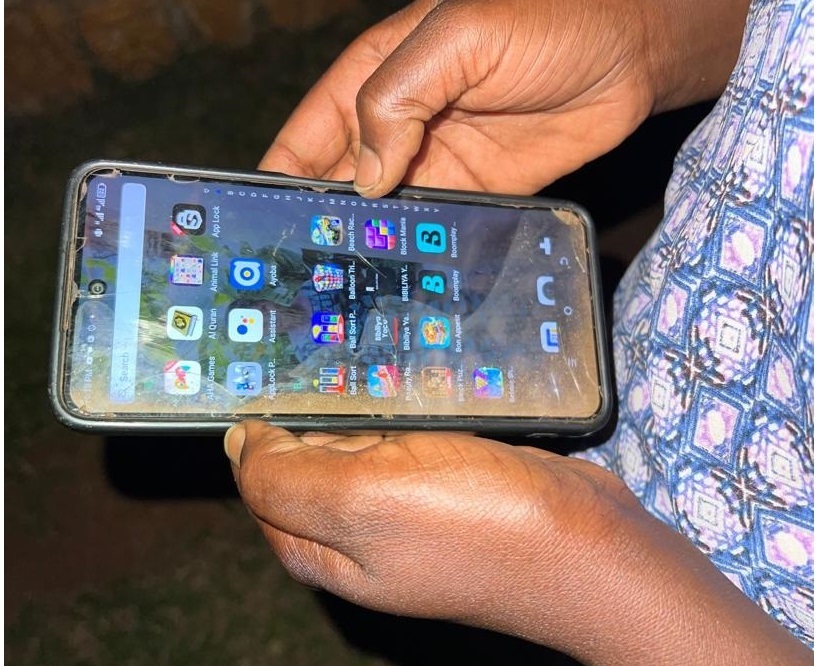
As Rwanda continues its rapid digital transformation journey, the government is striving to bring technology closer to every citizen through initiatives such as the Digital Public Infrastructure (DPI) and the Digital Ambassadors Program (DAP). These efforts aim to make essential services more accessible and efficient.
Yet, a significant number of elderly citizens remain on the margins, struggling to adapt to the growing dominance of digital systems in daily life.
A Growing Digital Divide Among Older Citizens
While Rwanda has made remarkable progress in digital inclusion, many older adults say they still face major barriers to using digital tools and online services such as Irembo, the country’s flagship e-Government platform.
The challenges stem largely from limited digital literacy, the inability to use smartphones or computers, and fear of online fraud.
“I can now buy water and electricity using my phone, but there are other services I can’t access digitally,” says Pelagie Mukanguwo, a 55-year-old woman from Huye District. “For instance, transferring money from my bank account to my mobile wallet is difficult for me. I must walk to the bank, while the youth do it easily from their phones.”
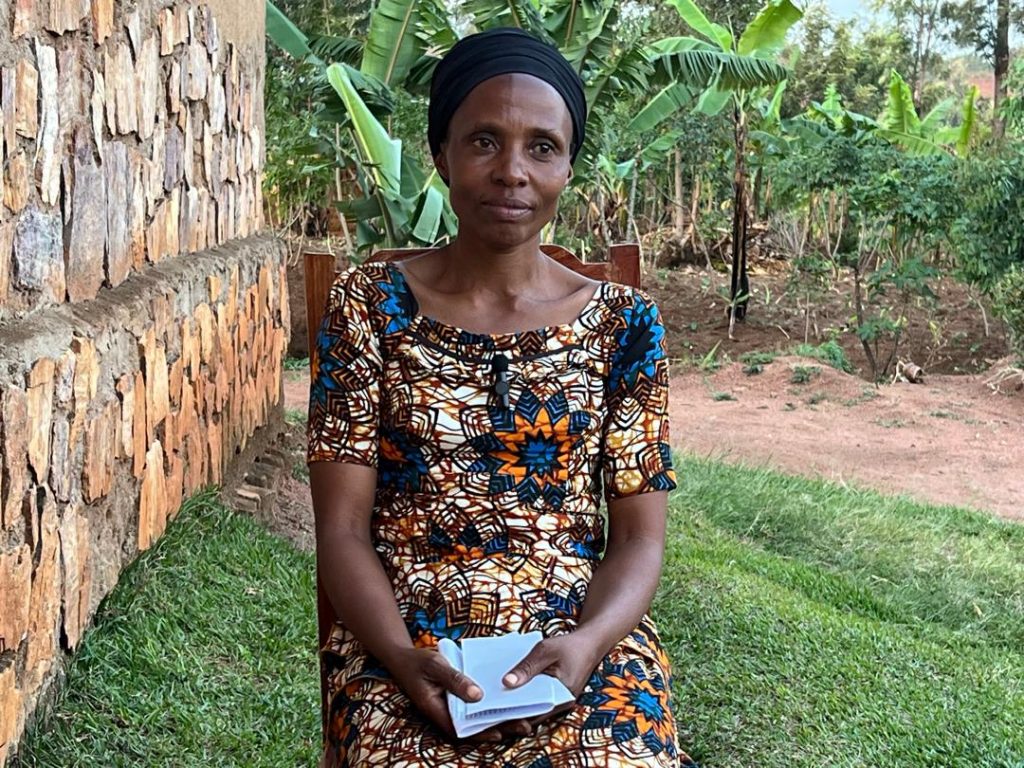
Similarly, Jean Baptiste Barakagwira, 65, from Mbazi Sector, admits that technology is evolving faster than many elderly citizens can handle. “I can make a call or send a message, but when it comes to complex services like applying for documents on Irembo, I find it hard. The instructions are in foreign languages, and I fear making mistakes,” he said.
Language and Cost Barriers Deepen the Gap
Although smartphones and internet access are expanding, affordability remains a key barrier. Many older people in rural areas say the cost of devices and data bundles keeps them from fully participating in the digital economy.
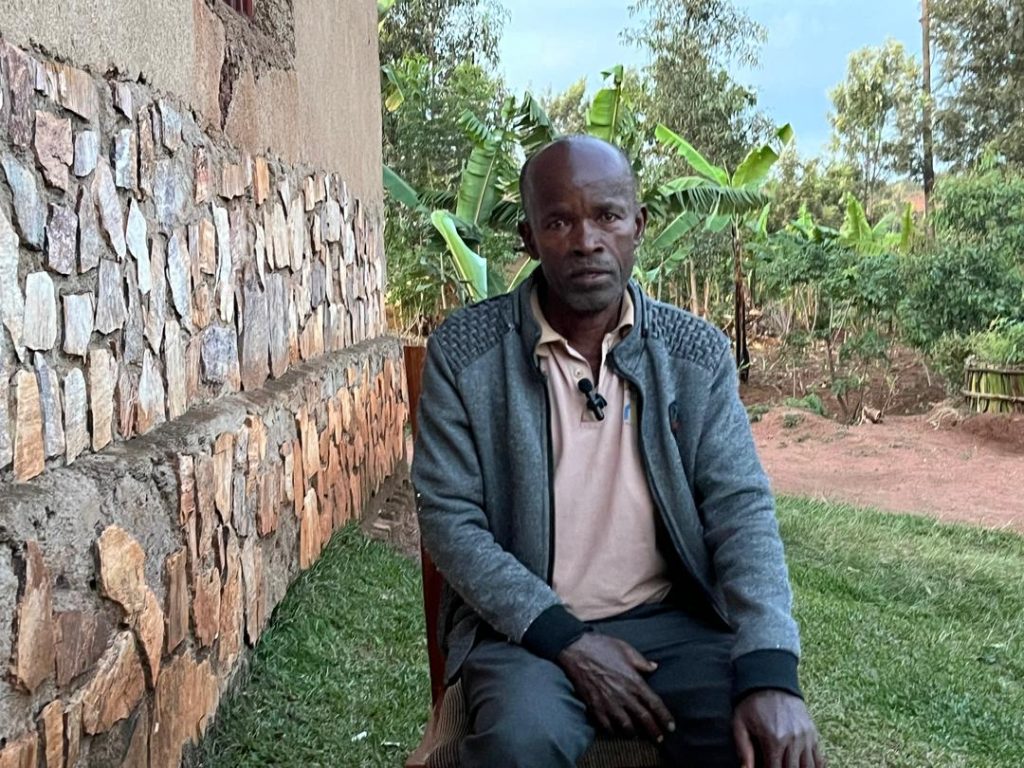
“Most of these systems are in English, which we didn’t study,” said Asterie Mukambasade, another resident of Mbazi. “Sometimes, you want to apply for a service on Irembo, but the English words confuse you. If more instructions were in Kinyarwanda, we would use these services with confidence.”
Digital Ambassadors: Bridging the Gap
To address such challenges, Rwanda launched the Digital Ambassadors Program (DAP) in 2017 under the Ministry of ICT and Innovation (MINICT). The program aims to train at least five million citizens in basic digital skills and expand access to online services.
According to the Rwanda Information Society Authority (RISA), over 2,000 Digital Ambassadors locally known as Intore mu Ikoranabuhanga have been deployed across the country. Since its inception, the initiative has trained more than 3.2 million Rwandans in basic digital literacy out of the 5 million targets.

Egidia Munezero, one of the Digital Ambassadors in Huye District, says older citizens were initially resistant, thinking technology was meant for the youth. “At first, many told us they were too old to learn,” she recalls. “But as they saw the benefits like paying bills and accessing government services online, they changed their minds. We now teach both young and old, ensuring no one is left behind.”
She adds that the training takes place in communities after working hours through Inteko z’Abaturage (citizens’ gatherings). “Even those who thought they couldn’t learn now know how to buy electricity or water online, or use Mobile Money,” Munezero said.
In Huye District, Batenda Olivier, a supervisor of Rwanda’s Digital Ambassadors Program (Intore mu Ikoranabuhanga) at RISA, highlights the program’s significant impact since its launch. Originally introduced in 2017 in Rulindo District, the initiative received renewed emphasis in 2023 due to its early successes. Its primary goal is to ensure that all Rwandans, regardless of age or education level, can understand and use digital technology.
According to Olivier, the program has tripled the number of citizens able to request services digitally in Huye District alone. Initially, many participants were hesitant or afraid to engage with technology, often feeling it was meant only for the youth or educated individuals. The Digital Ambassadors address these fears by teaching citizens how to use social media, access government and financial services online, and protect their personal information.

To date, approximately 134,000 to 135,000 residents of Huye have received basic digital literacy training, out of more than 380,000 residents in the district still in need of training. The program continues to empower citizens, helping them embrace technology confidently and independently in their daily lives.
Persistent Challenges
Despite progress, several barriers persist:
- Low literacy levels among older citizens, especially in rural areas
- Limited understanding of foreign languages used in most digital platforms
- Memory loss and slow adaptation due to old age
- Limited internet coverage and high cost of devices
- Continued fear of fraud and mistrust of digital transactions
According to the Seventh Integrated Household Living Conditions Survey (EICV7) published in 2024, only 12.8% of Rwandans aged 15 and above are computer literate, and in rural areas, that figure drops to just 6.6%.
The National Institute of Statistics of Rwanda (NISR) earlier reported that in 2019, digital literacy among adults stood at about 20%, far below the government’s 60% target for 2024.
Government Efforts to Foster Digital Inclusion
Minister of ICT and Innovation Paula Ingabire says over 1.5 million citizens have received face-to-face digital literacy training, and
In the fiscal year 2023–2024, more than 5 million services were requested directly by citizens on the Irembo platform, and over 400,000 individuals created personal online accounts.
The Government continues to:
- Expand digital literacy programs like DAP nationwide
- Increase internet connectivity, especially in rural areas
- Promote digital content in Kinyarwanda
- Encourage the private sector to invest in affordable smart devices
- Establish policies supporting Open Data and Digital Transformation
A Call for the Elderly to Embrace Technology
Egidia Munezero, a Digital Ambassador believes that no one is too old to learn digital skills. “We tell them technology is not just for the youth,” she says. “It’s for everyone who wants to make life easier. Many elderly people now proudly pay their bills or access health and government services online without relying on others.”
As Rwanda pushes toward a digitally empowered society, ensuring that older generations are not left behind will be crucial to achieving the nation’s goal of full digital inclusion and equitable access for all.

The Rwanda Information Society Authority (RISA) reports that, under the Digital Ambassadors Program (DAP), locally known as Intore mu Ikoranabuhanga, there are over 2,000 ambassadors responsible for encouraging citizens to use digital technology. Since the program’s launch in 2017, it has trained more than 3.2 million Rwandans in digital skills, out of a target of 5 million citizens to be trained.
Mukanyandwi Marie Louise